
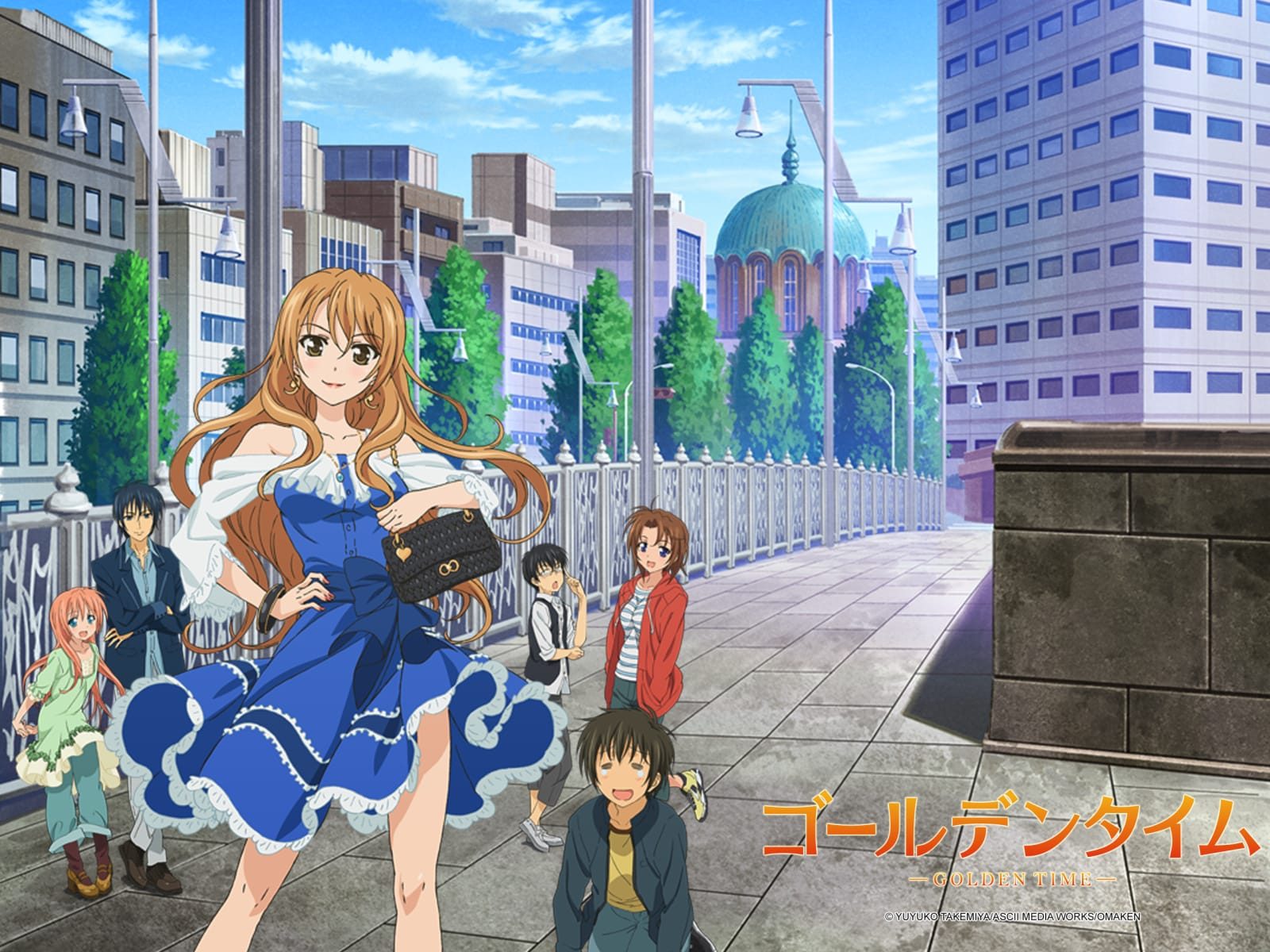
Golden Times Ending Explained A Satisfying Conclusion or Missed Opportunity?
“Golden Time,” the anime that beautifully intertwines romance, comedy, and drama, has left audiences pondering its ending. As the series wrapped up, fans were greeted with a mix of emotions that sparked debates over whether it delivered a satisfying conclusion or was a missed opportunity for deeper storytelling. This blog post will delve into the intricacies of the ending and the implications it has for the characters and the viewers.
The Journey of Banri Tada and His Relationships
At the center of “Golden Time” is Banri Tada, a college student grappling with memory loss after an accident. As he's thrust into a new life, he forms crucial relationships, most notably with Kouko Kaga, whose unyielding love for him drives much of the narrative. The ending sees Banri navigating through the challenges that stem from his forgotten past and the burgeoning feelings he develops for Kouko. The intricate portrayal of their relationship showcases both the highs and lows of love, reflecting the complexities we often face in real life.
A Closer Look at the Ending
The finale presents a poignant moment where Banri confronts his memories, ultimately reconciling his past with his present. This connection signals growth not only for Banri but also for Kouko, culminating in a resolution that feels both personal and relatable. However, some viewers felt that the conclusion left elements of the story unexplored. For instance, the miscommunication between Banri and Kouko regarding their future plans leads to questions about their long-term compatibility. While the ending offers closure, it also opens the door for interpretations that evoke discussions among fans, questioning whether the resolution truly fulfills the narrative's potential.
Fan Reactions and Theories
Following the series conclusion, fans shared an array of reactions, some praising the emotional depth while others expressed disappointment. Many felt that the development of secondary characters was overshadowed by the main plot, which limited opportunities to explore alternative narratives. Discussions on forums and social media showcased differing views, with some fans crafting compelling theories about alternate endings or deeper connections between characters that were left unexplored. This divisiveness is a testament to the show's ability to engage its audience on a more profound level, as it inspires conversations about what could have been.
Golden Time Official Merch: A Fan's Commitment
The love for “Golden Time” transcends the screen, as evidenced by the vibrant community of fans who actively support the series through various means, including “Golden Time Official Merch.” From plushies of beloved characters to themed apparel, the merchandise allows fans to express their attachment to the series while fostering a sense of connection with fellow enthusiasts. This flourishing market illustrates how the journey of Banri and Kouko resonates beyond the confines of the anime, solidifying its place in the hearts of many. Ultimately, whether the ending was a missed opportunity or a satisfying conclusion, the impact of “Golden Time” remains significant, encouraging fandom through shared experiences and cherished collectibles.
Final Thoughts
In conclusion, the ending of “Golden Time” continues to provoke thought and discussion, reflecting the layered storytelling that characterizes the series. While some may argue that it left questions unanswered, it is these very questions that fuel the excitement and engagement of the fanbase. As viewers navigate their own interpretations, the show’s robustness shines through, echoing the complexities of love, memory, and personal growth. With its official merchandise being a tangible reminder of this cherished anime, “Golden Time” undoubtedly secures a lasting legacy within the otaku culture.


