
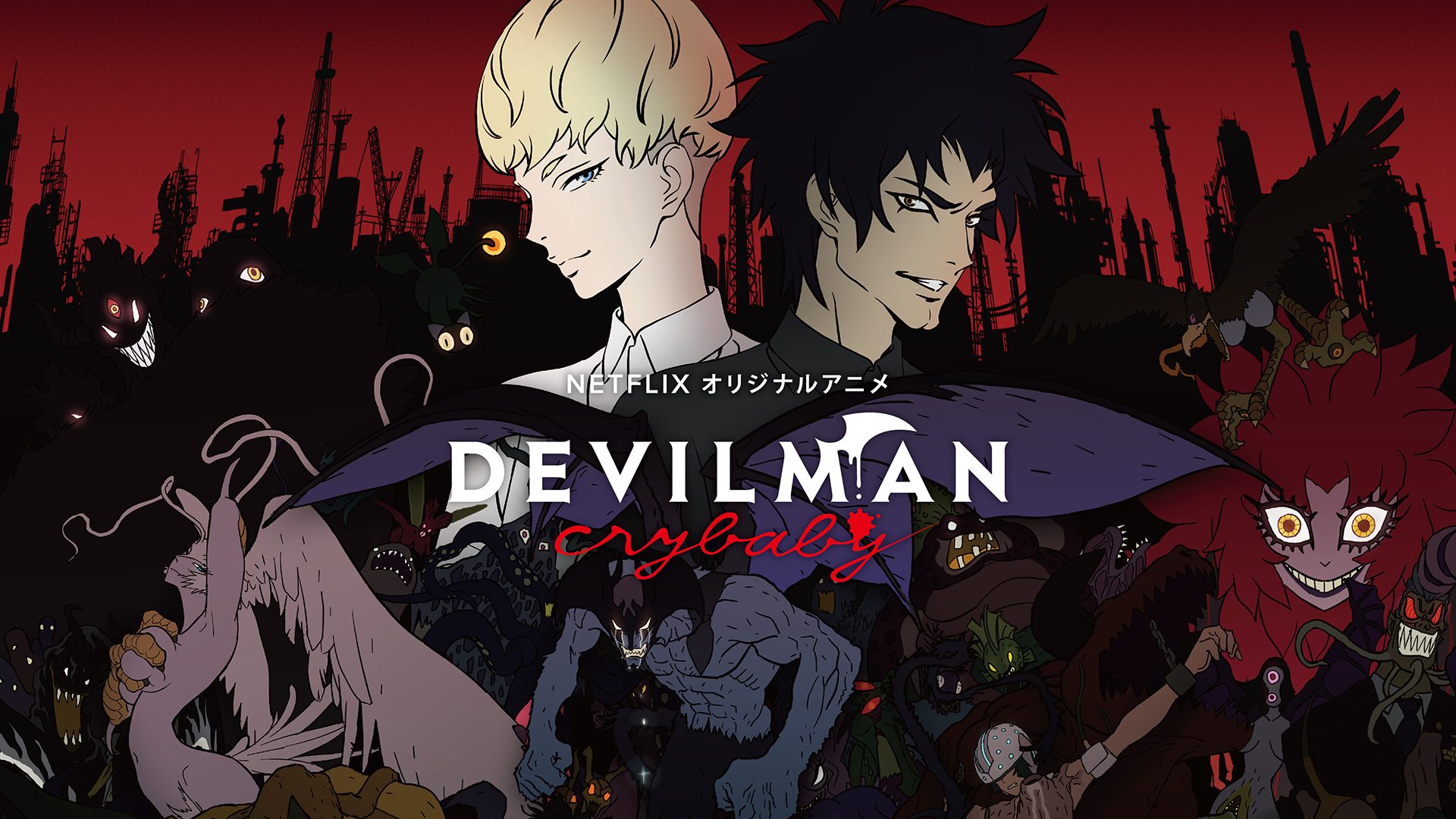
The Brutal Symbolism Behind Devilman Crybabys Ending
Devilman Crybaby, created by Yuasa Masaaki and adapted from the classic manga by Go Nagai, presents a visceral narrative exploring humanity's darkest facets intertwined with supernatural elements. The anime’s conclusion leaves viewers grappling with its emotional weight and complex symbolism. It’s not merely an ending but a profound commentary on love, loss, and the existential struggle inherent in the human experience. The brutal finality serves as a stark reflection of societal issues and human nature, leaving fans both enlightened and devastated.
The Significance of Love and Betrayal
At the core of Devilman Crybaby is the poignant relationship between Akira Fudo (Devilman) and Ryo Asuka (Satan). Their connection is a portrayal of love that is both beautiful and tragically conflicting. As the series progresses, viewers witness how love can morph into betrayal, especially in Ryo’s quest to fulfill his desires, even at the cost of immense pain. The ending encapsulates this theme—Ryo's ruthless ambition results in Akira's ultimate demise, emphasizing the brutal truth that love can often lead to suffering. This sentiment resonates deeply in the light of societal conflicts and personal relationships, signifying that our closest bonds can sometimes drive us towards ruin.
The Human Condition: Destruction and Redemption
The finale of Devilman Crybaby portrays the culmination of humanity's destructive tendencies. As tensions escalate, the world succumbs to chaos, showcasing the fragility of civilization when faced with inherent malevolence. The apocalypse is not merely physical; it's symbolic of the moral decay within humanity, as friends become enemies and love turns to hatred. However, amidst this destruction lies a thread of redemption. Akira's sacrifice serves not only as a testament to his love for Ryo but also as a beacon of hope amidst despair, suggesting that even in the darkest times, selflessness can shine a light on the path to redemption. This theme compels viewers to reflect on their actions and the possibility of rebuilding what has been lost.
The Power of Memory and Legacy
The ending leaves a lingering impression of how memories shape our identities. Ryo's actions and Akira's struggles resonate through time, reminding viewers that their choices echo long after they're gone. The imagery of reunification with lost loved ones emphasizes how memories can bring solace, even as they may also cause pain. The closing scene, wherein Akira is seen in a tranquil setting, suggests that while the world may be chaotic, the essence of those we love remains alive in our memories. This idea aligns with the legacy one leaves behind, compelling viewers to contemplate what they wish to be remembered for in a world often clouded by turmoil.
Exploring the Devilman Crybaby Store
For fans who want to continue engaging with the emotionally charged themes and symbolism of Devilman Crybaby, the Devilman Crybaby Store offers a unique opportunity. The store caters to enthusiasts eager to explore collectibles that celebrate the depth of the series. From art prints capturing the tragic beauty of Akira and Ryo's relationship to merchandise that vividly encapsulates the series' haunting imagery, the Devilman Crybaby Store serves as a portal into the world of Devilman. Each item tells its own story, enabling fans to forge a deeper connection with the narrative's impactful messages and ultimately bringing home a piece of the experience that resonates with them.
In reflecting on the brutal symbolism within the series' conclusion, it's evident that Devilman Crybaby presents a multifaceted narrative that grapples with love, destruction, and memory. Just as the protagonist’s journey is fraught with challenges, so too are the themes embedded within the conclusion—exposing an ugly yet real aspect of the human condition. By visiting the Devilman Crybaby Store, fans become part of the ongoing dialogue surrounding these themes, taking home a reminder of a series that continues to inspire and provoke thought long after the credits roll.


