
The Brutality and Tragedy That Define Elfen Lied
Elfen Lied is a series that juxtaposes the beauty of art with the grotesque realities of violence and sorrow. Initially released as a manga in 2002 and later adapted into an anime in 2004, the story follows the tragic journey of Diclonii, a mutated species that possesses horns and telekinetic abilities. Central to this narrative is the exploration of themes such as isolation, prejudice, and the struggle for acceptance in a world that fears and misunderstands the other. The brutality embedded within the series is both emotional and physical, which makes it a compelling yet heart-wrenching experience for its audience.
Exploring Brutality in Elfen Lied
One of the defining characteristics of Elfen Lied is its unflinching portrayal of violence. The series commences with a gripping escape sequence, where Lucy, the main protagonist and a Diclonii, violently breaks free from her captors, resulting in bloodshed and chaos. This opening scene sets the tone for the rest of the series, where brutality isn’t just part of the action but also serves as a visual metaphor for the pain and trauma experienced by the characters. Lucy's journey is riddled with graphic violence, as she grapples with the duality of her identity—both as a victim and a perpetrator. The visceral representations of violence force viewers to confront their own feelings about morality and empathy, often leaving them unsettled.
The Weight of Tragedy
Tragedy looms large over Elfen Lied's narrative. Lucy’s story is not just one of violence; it is also a profound exploration of human suffering. The character's backstory reveals a childhood fraught with abuse and alienation, which helps to humanize her, despite the horrific acts she commits. This tragedy engenders sympathy, transforming Lucy from a mere antagonist into a complex character shaped by her past traumas. Additionally, the series addresses the brutal realities faced by other Diclonii, such as discrimination, hatred, and dehumanization. The plight of these characters is a poignant reminder of societal fears surrounding those who are different, ultimately eliciting a reflective response from the audience.
The Artistic Contrast
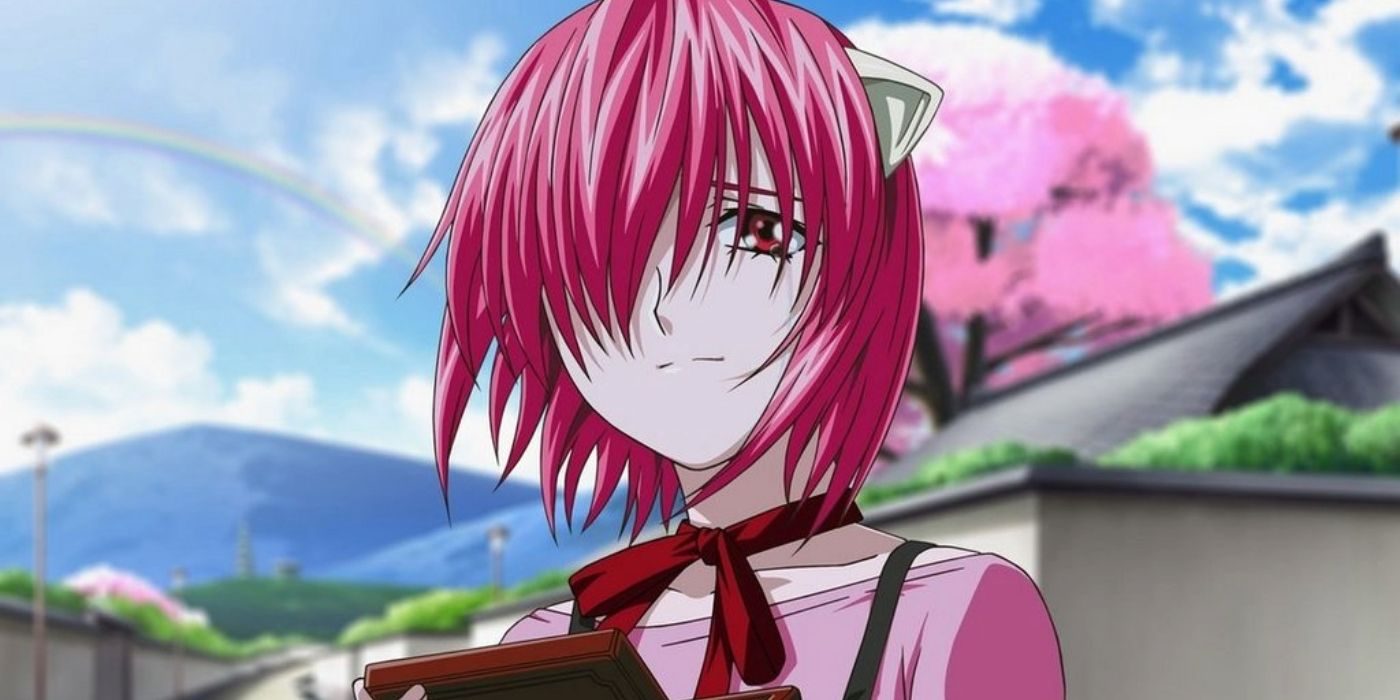
What makes Elfen Lied stand out is its striking visual presentation, which contrasts starkly with its brutal underlying themes. The delicate aesthetics of the character designs and lush background art are juxtaposed with graphic violence and emotional turmoil, creating a dissonance that captivates viewers. This artistic choice serves to highlight the fragility of life and the beauty that can exist even amidst chaos. For fans of the series, this contrast exemplifies the complexity of human experiences, making it not just a tale of horror but also a reflection on the pain, beauty, and emotional depth of existence. Collectors and admirers of the art are often drawn to the Elfen Lied Store, where various products encapsulate this unique artistry, allowing fans to own a piece of the world that resonates so deeply.
Legacy and Reflection
Elfen Lied’s exploration of brutality and tragedy has left an indelible mark on the anime and manga landscape. It continues to provoke thought and discussion among fans and critics alike regarding its themes of violence, identity, and the quest for connection. While many may find the graphic nature of the series off-putting, the underlying messages about empathy, acceptance, and the human condition are strikingly relevant. As viewers engage with the material—whether by watching the anime or exploring merchandise at the Elfen Lied Store—they are invited to reflect on what it truly means to be human in a world rife with misunderstanding and conflict. Ultimately, Elfen Lied is more than just a story of violence; it is a tragic narrative intimately tied to the beauty and horror of life itself.


