
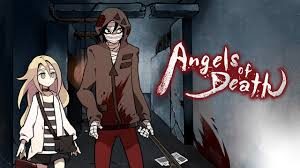
The Evolution of Zack Foster More Than Just a Killer?
The character of Zack Foster, much like the narrative arc of many modern anti-heroes in film and literature, has undergone significant evolution, capturing the interest of audiences worldwide. Initially introduced as a tragic figure defined solely by his violent acts, Zack has transformed into a multi-dimensional character, prompting viewers to question the motivations behind his actions. As we delve into his early depictions, it becomes clear that there is much more to Zack than being labeled simply as a killer.
The Early Days of Zack Foster
In his earlier portrayals, Zack Foster was primarily seen through a lens of brutality. Audiences were introduced to him as a fierce and relentless figure whose actions were dictated by an unrelenting thirst for vengeance. The film showcased his dark origins—a troubled past riddled with loss and betrayal that shaped him into the formidable force he became. However, as critics and audiences alike began to peel back the layers of his character, it became evident that his violent behavior stemmed from deeper psychological issues, such as trauma and a desperate search for acceptance. This complexity allowed viewers to empathize with Zack, questioning whether he was truly evil or merely a product of his environment.
The Development of Depth and Complexity
As the narrative evolved, so too did Zack Foster’s role within it. The introduction of supporting characters brought newfound dimensions to his persona. Relationships with those affected by his past decisions began to reveal a more vulnerable side of Zack. His interactions with victims, bystanders, and even law enforcement gradually transformed him from a mere anti-hero into a deeply flawed individual grappling with morality. Far from the one-dimensional killer he once was, Zack’s character became the focus of a larger conversation about responsibility, guilt, and redemption. This shift has made many question what it truly means to be a monster, as the lines between good and evil are often blurred in his story.
The Role of the "Angels of Death store"
Centrally tied to Zack’s evolving narrative is the infamous "Angels of Death store," a pivotal establishment in the story that serves as a thematic symbol of his journey. Initially, it can be seen as a dark underbelly of society, a place where one can buy not just weapons but also a lifestyle steeped in violence and chaos. However, as Zack's character evolves, so does the significance of the store. It shifts from being a simple storefront to a representation of his internal struggle and a metaphor for the choices he faces. The Angels of Death store becomes a site of conflict and a mirror reflecting the turmoil within Zack, emphasizing that while his external world may be steeped in bloodshed, it is his internal battle that truly defines him.
The Future of Zack Foster
As stories continue to unfold and new arcs are introduced, the question remains: what comes next for Zack Foster? As creators explore his complexities, there is potential for further evolution that can dive deeper into his psyche. The possibility of redemption, confrontation with his past, or even an embrace of old habits looms large. The continuing saga of Zack Foster reminds us that characters can develop multifaceted arcs, making them relatable and human as they navigate their own existential dilemmas. Ultimately, the evolution of Zack Foster signifies a broader trend in storytelling—one that emphasizes the necessity of exploring character depth, moral ambiguity, and the intricate dance between light and darkness in the human experience.


