
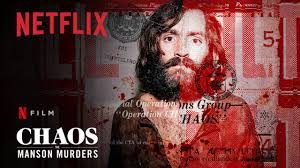
The Manson Murders and the CIA How Chaos Redefines the Case
The Manson Murders remain one of the most chilling chapters in American criminal history, deeply intertwined with the cultural upheaval of the late 1960s. Charles Manson, the infamous cult leader, orchestrated a series of brutal killings that shocked the nation, yet this narrative is but one layer of a much more complex story. Recent discussions around the murder case have brought forth the idea of chaos not only as a theme within Manson's life but also as a method for understanding deeper societal manipulations, purportedly, by organizations like the CIA. The interplay of these facades invites a re-examination of how we perceive the events of that fateful time.
The Cult of Chaos
A defining characteristic of Manson's group, the “Manson Family,” was the sheer chaos that Manson preached. He positioned himself as a prophet, using a combination of manipulation, drugs, and countercultural rhetoric to attract followers. The infamous Tate-LaBianca murders in August 1969 were acts of such brutality that they shook America to its core. Yet, as disturbing as the murders were, they reflected a broader chaos present in society at the time—a period marked by tumultuous political change, anti-establishment sentiments, and transformative social norms. By examining the Manson murders through the chaos lens, we can uncover a narrative that suggests these killings were not isolated horrors but echoes of a chaotic societal fabric unraveling under pressure.
The Shadow of the CIA
As investigations into the Manson Family's ideology and activities deepen, evidence occasionally surfaces linking elements of their chaotic narrative to intelligence operations. Conspiracy theories have long proliferated about the CIA's involvement in manipulating public perception and social movements during the 1960s. Programs such as MKUltra, which experimented with mind control, raise unsettling questions about whether Manson's actions might have been influenced by larger forces at play. Was he merely a man orchestrating chaos, or was he a pawn in a larger game of manipulation? The potential connections provoke debates about how the state might have leveraged chaos to engineer shifts in public consciousness, particularly regarding counterculture movements.
Revisiting the Chaos: "Chaos: The Manson Murders store"
A contemporary lens through which to explore these themes is through the "Chaos: The Manson Murders Store." This unique establishment both honors and critiques the complicated legacy of the Manson Family saga. By selling memorabilia and art related to the crimes, the store capitalizes on public fascination with chaos and the darker side of human nature. Yet, it also provides a space for visitors to engage critically with the implications of the Manson case, reflecting on how chaos has resided in the collective American psyche since the 1960s. By positioning such artifacts within the framework of commodification, the store becomes an echo chamber of the chaos that defined a generation, and encourages patrons to grapple with both the allure and horror of Manson's legacy.
Understanding the Legacy of Chaos
In retrospect, examining the Manson Murders and potential CIA links through the lens of chaos reshapes our understanding not only of this infamous case but also of the social dynamics of the era. The murders were not just a random consequence of Manson's madness; they represent a chaotic clash of emerging cultural ideologies and the often hidden manipulation of larger forces. As we peel back the layers of this chilling narrative, we magnify the broader implications of chaos in shaping both individual lives and collective history. The narrative of Manson and the chaos surrounding him serves as a reminder that history is never a linear progression but is often fraught with unpredictable disturbances that shape the course of society.


