
The Most Terrifying Stories in Yamishibai
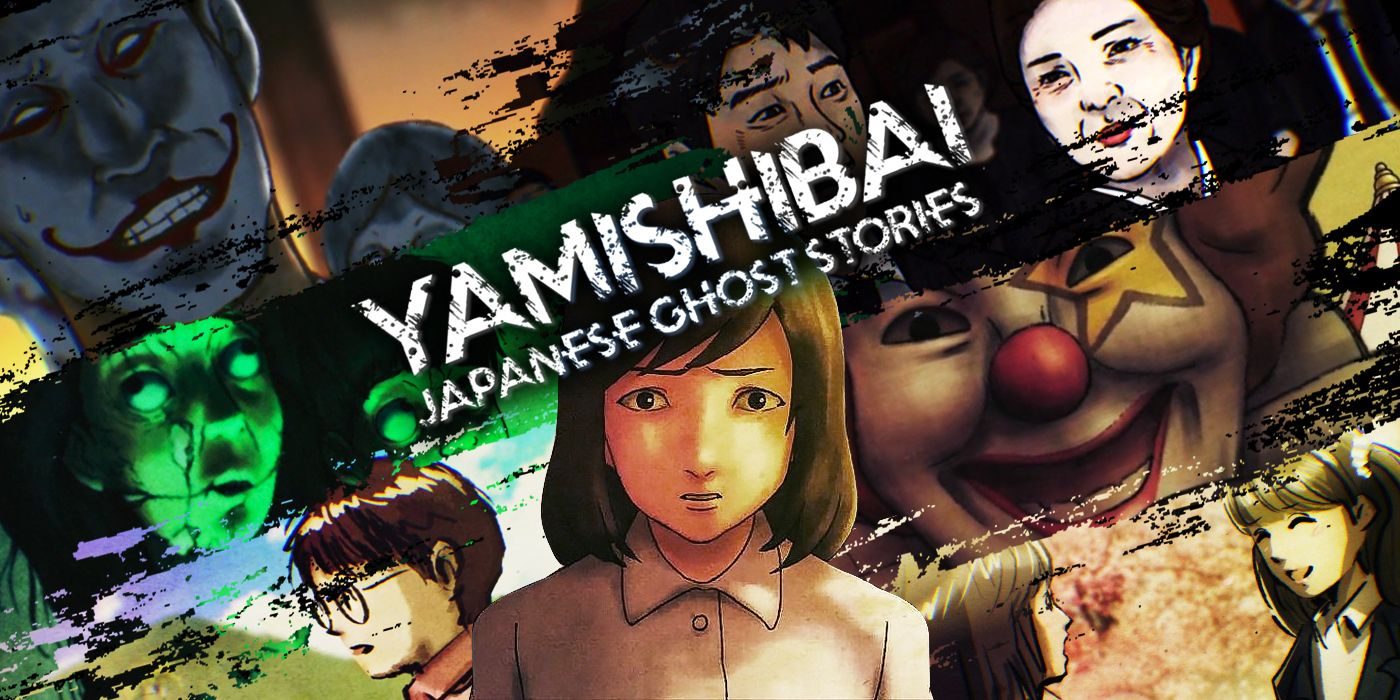
Yamishibai, often recognized as a unique blend of horror and Japanese folklore, has captivated audiences with its chilling tales of the supernatural. Originating from the traditional storytelling format known as “kamishibai,” this style has been adapted into a web series that brings to life the spookiest stories Japan has to offer. The series does not just focus on the eerie narratives; it also embodies a rich cultural history, steeped in myth and legend, making it a fascinating field of study for horror enthusiasts. The blend of animation and storytelling creates an immersive atmosphere, pulling viewers into the world of lurking spirits and vengeful entities.
The Origins of Yamishibai
The roots of Yamishibai can be traced back to the post-war period in Japan, where street performers would narrate ghost stories to engage children already riled up by the fears of the unknown. Since then, this art form has evolved, transitioning into modern-day adaptations that leverage technology to enhance the storytelling experience. Each episode of Yamishibai is crafted with minimalist animation and haunting soundscapes, emphasizing the narratives that tap into universal fears: loneliness, betrayal, and the unknown. The chilling stories often serve as cautionary tales, warning against hubris while providing a glimpse into Japan's cultural consciousness.
Unforgettable Tales from Yamishibai
Yamishibai Japanese Ghost Stories Shop
The Impact of Yamishibai on Modern Horror
The influence of Yamishibai extends beyond the screen and into various forms of popular culture. As an emblematic representation of Japanese horror, it has inspired countless creators in the realms of literature, film, and video games. The dark themes and rich storytelling elements now permeate global media, showcasing the universal appeal of fear and the unknown. As the series continues to grow, it opens doors for a new generation of horror-lovers who strive to explore both traditional folklore and contemporary fears through the lens of Yamishibai. It serves to remind us that, while technology and culture evolve, the fundamental fears that haunt humanity remain timeless.


