
Why Are There So Many Losing Heroines in Modern Fiction?
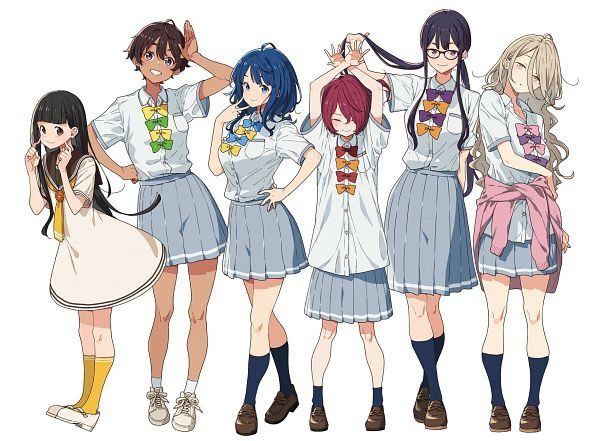
In recent years, the portrayal of female protagonists in fiction has undergone significant changes. However, one trend that stands out is the prevalence of losing heroines—characters who often find themselves struggling, marginalized, or defeated by their circumstances. This phenomenon prompts the question: why do so many modern stories center around heroines who seem to lose rather than triumph? This article explores the nuances behind this trend, its implications for storytelling and representation, and the emerging merchandise inspired by the narrative of "Too Many Losing Heroines."
Complexity of Female Characters
The complexity of female characters has evolved over time. Historically, women in fiction were often relegated to the background or cast in stereotypical roles that required little development. However, modern storytelling embraces more multifaceted characters, leading to heroines that reflect the struggles and real-life challenges women face. As writers strive to create relatable, authentic narratives, many heroines find themselves in situations where they encounter adversity or failure. These stories often aim to illustrate personal growth, resilience, and the journey toward self-discovery, rather than just outward victories.
Cultural Expectations and Realism
Another reason for the rise of losing heroines is the cultural shift towards realism in storytelling. Viewers and readers increasingly appreciate narratives that reflect the complexities of real life, where not every battle ends in a win. In modern fiction, the pressure on women to succeed often amplifies their perceived failures. Many literary works delve into societal issues such as gender inequality, family expectations, and mental health struggles, portraying heroines who navigate these hurdles both physically and emotionally. This realistic approach resonates with audiences who may find solace or empowerment in characters who endure failure yet continue to fight.
Merchandising and Cultural Impact
This trend has also birthed a unique marketing phenomenon, as the demand for "Too Many Losing Heroines Merch" grows. Products featuring these heroines, ranging from clothing to collectibles, celebrate their resilience, flaws, and struggles. Fans are drawn to this merchandise not only as a way to align with the narratives but also to express solidarity with characters who endure heartbreak or loss. By purchasing items that showcase these heroines, consumers engage with the idea that losing does not negate strength or value. This merchandise serves as a conversation starter and a means of celebrating the multifaceted nature of women, encouraging discussions about empowerment, failure, and growth.
The Case for Change
While many creators are drawn to the concept of losing heroines to promote depth and authenticity, it raises questions about representation in media. For every portrayal of a losing female character, there still exists a pressing need for stories that showcase triumph, joy, and success. Balancing the scales is essential for providing a comprehensive view of womanhood that includes diverse experiences and outcomes. As the dialogue surrounding female representation continues to grow, audiences are engaged and demanding narratives that are as varied as the women they depict, fostering a literary landscape rich in both struggle and victory.
In conclusion, the trend of losing heroines in modern fiction is a reflection of our evolving society's understanding of female experiences. While it is crucial to highlight the resilience found in struggle, it is equally important to balance those narratives with stories that celebrate success, joy, and empowerment. As the landscape of fiction continues to evolve, so too must the portrayals of women within it, creating a richer, more nuanced tapestry of storytelling that captures the essence of what it means to be a heroine in today's world.


